Start with the output
Define what you intend to make before choosing how to make it. Record the product range, intended pack formats, expected batch sizes and your initial demand assumptions. A line designed around an optimistic annual number can be a poor fit for the first year of operations.
Map the full process
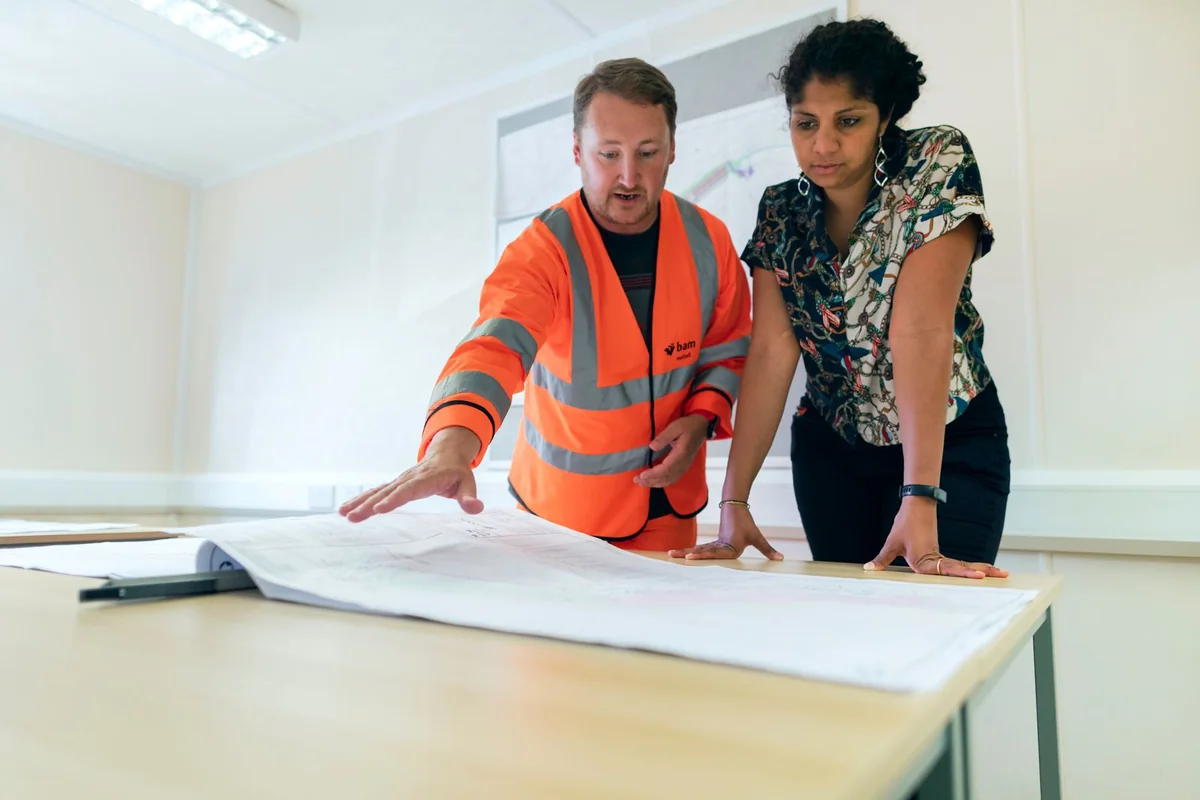
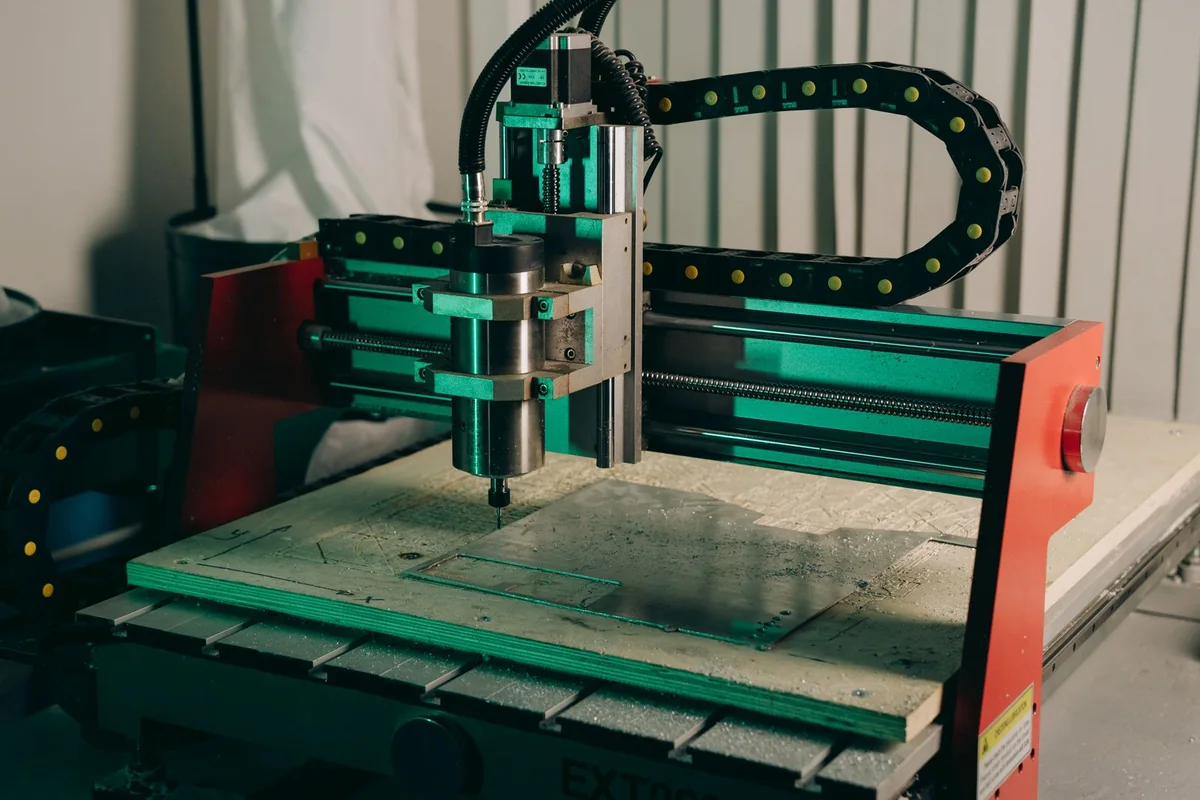
Look beyond the main production machine. Receiving, storage, preparation, processing, filling, packing, cleaning and dispatch all affect the working facility. Record the dependencies between steps and where intermediate material will wait.
Make constraints visible
Capture available floor space, access, utility capacity and staffing assumptions. Ask each equipment supplier which inputs and operating conditions their performance estimate depends on. Compare complete requirements rather than headline throughput alone.
Plan trials and acceptance
Decide how the proposed process will be evaluated. Agree what evidence is needed from a trial, who reviews the outcome, and which conditions must be satisfied before commercial production. A clear acceptance plan makes vendor discussions more useful.
Bring a decision brief
For an initial consultation, bring a one-page summary of the product, target capacity, location, budget range and current decisions. You do not need a finished project report to start a structured discussion.